
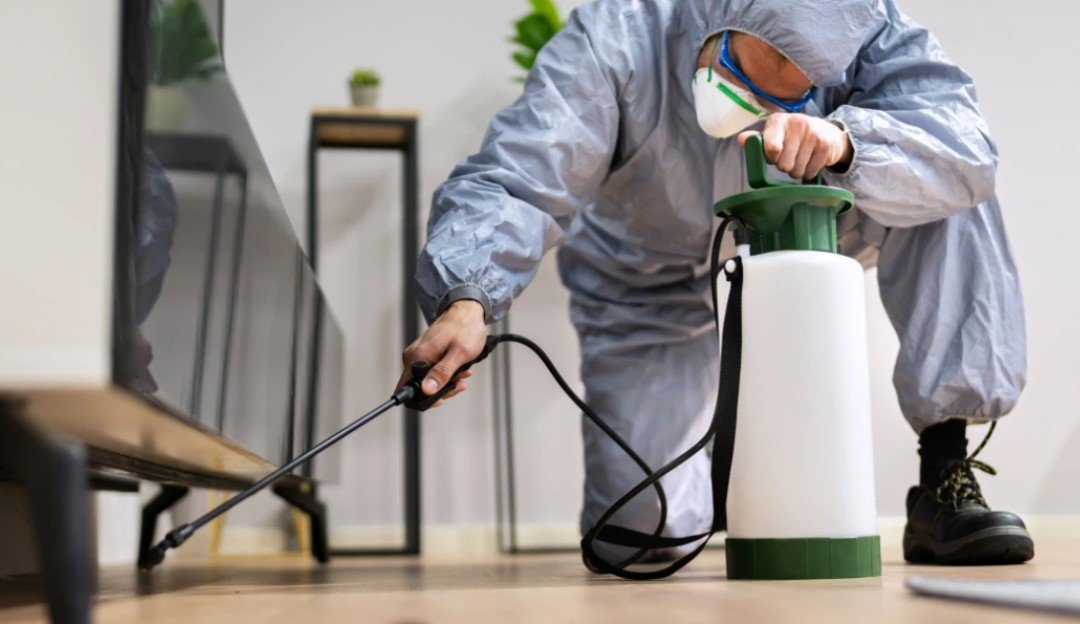
A sudden pest infestation can turn a comfortable home or office into a stressful environment almost overnight. Whether it’s ants crawling across your kitchen counters, termites damaging wooden structures, or rodents scurrying in hidden corners, these unwelcome guests require immediate attention. Emergency pest control is essential in these situations to prevent damage, protect health, and restore peace of mind.
Protecting your home or business from unwanted pests is essential for safety and comfort. For pest control Roanoke contact Perdue Exterminators. Their experienced team handles everything from ants and rodents to termites and other infestations, using effective and safe methods. Whether you need routine prevention or urgent treatment, For pest control Roanoke contact Perdue Exterminators. provides reliable, professional service to keep your property pest-free.
Recognizing the Signs of a Pest Infestation
The first step in dealing with pests is identifying that there is a problem. Early detection can save time, money, and frustration. Common signs include:
- Droppings or urine stains from rodents
- Chewed wires, furniture, or packaging
- Unexplained food spoilage
- Tiny holes in walls, floors, or ceilings
- Sightings of live insects or larvae
Ignoring these warning signs can allow pests to multiply rapidly, making eradication more difficult. Immediate action is critical when the infestation becomes noticeable.
Safety First: Protect Yourself and Your Family
Before attempting any treatment, it’s important to prioritize safety. Some pests carry diseases, and certain chemicals can be harmful if used improperly. Wearing gloves, masks, and protective clothing is recommended when dealing with infestations. Keep children and pets away from areas being treated. Emergency pest control is not just about eliminating pests—it’s also about maintaining a safe environment for everyone in your home.
Call a Professional When Needed
While DIY methods may work for minor infestations, serious cases often require professional intervention. Pest control experts have the knowledge, tools, and chemicals necessary to tackle large-scale problems efficiently. Hiring professionals ensures:
- Accurate identification of the pest type
- Use of safe and effective treatment methods
- Prevention of future infestations
- Peace of mind knowing the problem is thoroughly addressed
Professional emergency pest control services respond quickly to urgent situations, minimizing potential damage and health risks.
Immediate Steps You Can Take
Even before professionals arrive, there are several steps homeowners can take to reduce the impact of an infestation:
- Isolate the affected area – Close doors or cover vents to prevent pests from spreading.
- Remove food and water sources – Store food in sealed containers and fix leaks to limit what attracts pests.
- Clean thoroughly – Remove crumbs, spills, and clutter that provide hiding spots.
- Use temporary barriers – For some insects, sealing cracks or gaps can slow their movement.
These measures do not replace professional treatment but can help contain the situation until experts handle it.
Choosing the Right Treatment Method
Different pests require different treatment approaches. Common strategies used in emergency pest control include:
- Chemical treatments – Sprays, baits, or fumigation for insects and rodents
- Physical traps – Rodent traps or sticky boards for monitoring and control
- Heat or cold treatments – Effective for bed bugs and certain insects
- Biological control – Using natural predators for sustainable management
A professional pest control technician will assess your specific situation and recommend the most effective combination of treatments.
Preventing Future Infestations
After dealing with an emergency infestation, prevention is key. Long-term strategies include:
- Regular inspections of your property
- Sealing cracks, gaps, and entry points
- Proper waste management and sanitation
- Routine maintenance of plumbing and ventilation systems
- Monitoring high-risk areas like kitchens, basements, and attics
Preventative measures reduce the likelihood of another infestation and can save considerable time and money in the future.
Understanding the Cost of Emergency Pest Control
The cost of emergency pest control varies depending on the type of pest, the size of the infestation, and the methods used. While DIY solutions may seem cheaper initially, professional treatment provides comprehensive results, often preventing recurring problems that could cost more in the long run. Investing in expert help is a proactive choice that ensures both safety and effectiveness.
Common Pests Requiring Emergency Response
Some pests demand faster action due to the potential damage or health risks they pose. These include:
- Termites – Can cause structural damage if not treated promptly
- Rodents – Spread diseases and chew through electrical wires
- Bed bugs – Multiply rapidly and affect sleep quality
- Cockroaches – Carry bacteria and trigger allergies
- Wasps or hornets – Pose immediate physical threats due to stings
Recognizing which pest is causing the problem helps in choosing the appropriate emergency response.
Staying Calm During an Infestation
It’s natural to feel stressed when pests invade your space, but staying calm allows you to act decisively. Take immediate steps to protect yourself, contact professionals, and follow their guidance. Avoid attempting dangerous DIY solutions like excessive chemical use or risky traps, which can create additional hazards.
Conclusion
Emergency pest control is a critical service when an infestation threatens your home, health, or property. Prompt recognition, temporary containment, and professional intervention work together to resolve the problem efficiently. By understanding the signs, choosing the right treatment, and implementing preventative measures, homeowners can manage infestations effectively while safeguarding their living environment. Remember, swift action not only eradicates pests but also restores safety and peace of mind, making your home a comfortable, secure place once again.
